

If you are planning to buy land in 2026, knowing the documents to check before buying land is one of the most important steps I recommend taking before making any payment. Property prices can be attractive, but missing or incorrect documents can create serious problems later.
Whether you are buying land for a home, investment, or future development, I believe you should verify the property’s ownership, legal status, approvals, and outstanding dues first. Here are the key documents I recommend checking before completing a land purchase.
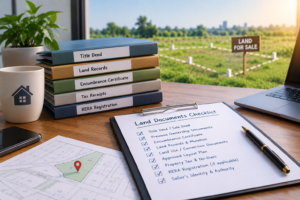 Why Are Property Documents Important?
Land documents help you understand who legally owns the property, how the ownership was transferred, and whether there are any registered claims or restrictions connected with it.
I would never recommend making a purchase based only on the seller’s words or an attractive price. Proper document verification can help you identify ownership disputes, unpaid dues, incorrect property details, and approval issues before you invest your money.
1. Sale Deed or Title Deed
The sale deed is one of the most important documents to check before buying land. It provides details about the property transaction and helps establish the seller’s ownership.
I recommend checking the owner’s name, survey or plot number, land area, boundaries, and other property details carefully. These details should match the current land records and the property being offered to you.
If the seller cannot provide the original or properly verifiable ownership documents, I would treat that as a warning sign and investigate further before proceeding.
2. Previous Ownership Documents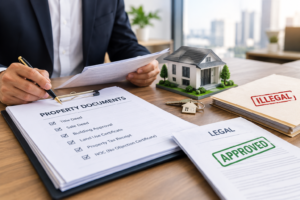
I would not check only the current sale deed. It is also important to understand how the property reached the current owner.
Previous sale deeds, gift deeds, partition documents, inheritance documents, or other transfer records can help establish the property’s ownership history. This history is often referred to as the title chain.
If there is a missing link in the ownership history, I recommend asking why it is missing and getting professional legal advice before purchasing the land.
3. Encumbrance Certificate
An Encumbrance Certificate (EC) is another important document to check before buying land. It can provide information about certain registered transactions or claims affecting the property during the period covered by the certificate.
I recommend checking the EC for an appropriate period and confirming that any previous mortgage or registered charge has been properly released.
However, an EC should not be treated as the only legal verification. It is one part of a wider property document check.
4. Land Records and Mutation Records
Depending on where you are buying, land records may have different names, such as Khasra, Khatauni, Jamabandi, RTC, Patta, or Chitta.
These records can help you verify important information about the land and its recorded ownership. Mutation records can also show whether a previous ownership change has been entered into the relevant government records.
I recommend comparing these records with the seller’s documents and the actual property details.
5. Land Conversion and Land-Use Documents
If you are purchasing land for residential or commercial purposes, check whether its current land use permits your intended purpose.
For example, agricultural land may require applicable permission or conversion before it can be used for residential development. I would never assume that land can be developed simply because the seller or broker says it can.
Always check the applicable rules with the relevant local authority.
6. Approved Layout Plan
If you are buying a plot in a colony, plotted development, or project, ask for the approved layout plan and relevant permissions.
I recommend comparing the plot number, size, boundaries, roads, and open spaces shown in the approved plan with what is actually being sold.
This simple comparison can help you identify differences between an approved plan and the property being advertised.
7. Property Tax and No-Dues Documents
Before completing the transaction, I recommend checking recent property or land tax receipts and applicable no-dues records.
Outstanding taxes or other local charges can create unnecessary complications after purchase. Make sure the seller has cleared applicable dues and keep copies of the receipts for your records.
8. RERA Registration, Where Applicable
If you are buying a plot through a developer or as part of a real-estate project, check whether the project falls under applicable RERA registration requirements.
If registration is applicable, verify the project’s details through your state’s official RERA authority rather than relying only on advertisements or information provided by the seller.
RERA requirements can vary depending on the type and size of the project, so buyers should check the rules applicable to their specific property.
9. Seller’s Identity and Authority to Sell
One of the most overlooked documents to check before buying land is documentation proving that the person selling the property has the authority to do so.
I recommend verifying the seller’s identity and ownership documents. If the property is being sold through a Power of Attorney, inheritance, company, trust, or another arrangement, additional documents may be required.
For complicated ownership situations, I strongly recommend having a qualified property lawyer review everything before you pay a substantial amount.
Quick Checklist Before Buying Land
Before you finalize your purchase, I recommend checking:
Sale deed or title deed
Previous ownership documents
Encumbrance Certificate
Current land and mutation records
Land-use or conversion documents, where applicable
Approved layout plan
Property tax and no-dues records
RERA registration, where applicable
Seller’s identity and authority documents
Relevant approvals and NOCs, where applicable
The exact documents required can differ depending on the state, type of land, seller, and purpose of purchase. Therefore, I recommend getting the documents independently verified before signing the final agreement.
Conclusion
Knowing the documents to check before buying land can save you from many avoidable problems. A good location and attractive price are important, but clear ownership and proper documentation should come first.
I believe every buyer should take time to verify the property records instead of rushing because of a limited-time offer or pressure from a seller. When you are about to invest your savings in land, wouldn’t a little extra document checking today be better than dealing with a property dispute tomorrow?